
The Ultimate Guide: MDF vs Plywood for a Subwoofer Box?
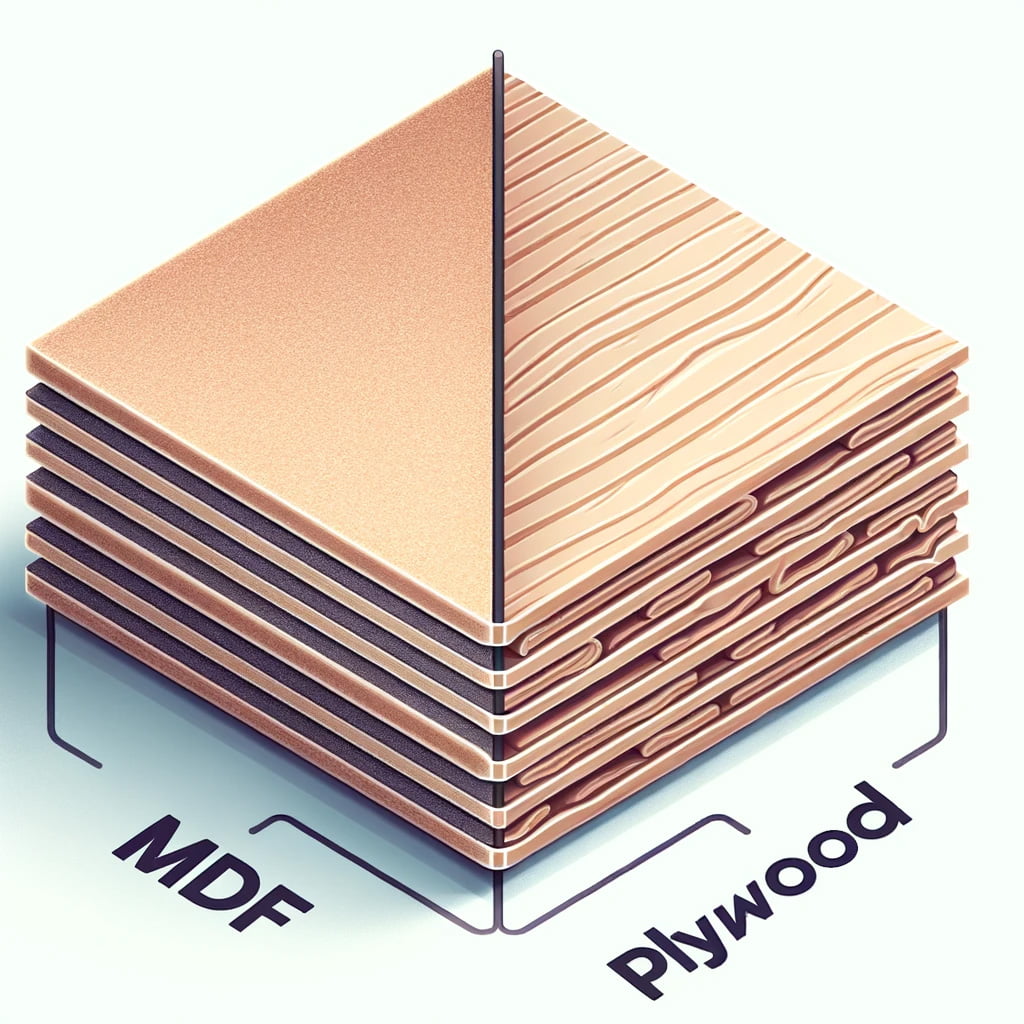
Choosing the right material for your subwoofer enclosure is crucial for optimal sound quality and durability. MDF and plywood remain the two most popular DIY choices, and CNC manufacturing has changed what a finished enclosure can be held to. This guide examines both traditional materials and explains where a professionally cut enclosure fits alongside them.
The DIY vs Professional Landscape
The material debate has evolved significantly. While hobbyists continue debating MDF density versus plywood strength, professional manufacturers like ProLine-X have moved beyond material limitations through precision CNC manufacturing, acoustic engineering, and vehicle-specific optimization that DIY builders simply cannot achieve.
What a DIY build actually involves:
- Sheet goods have become more expensive over the past several years
- A careful build takes most people a full weekend or more
- A CNC-cut enclosure repeats the same dimensions every time; a hand build does not
- A proper build needs a saw, a router, clamps and dust collection you may not already own
Understanding MDF: The Traditional Champion
Medium Density Fiberboard (MDF) remains the standard choice for DIY builders, and it is the material most home-built car audio enclosures are made from.
MDF Advantages
- Acoustic Properties: Uniform density reduces resonance and vibrations
- Workability: Machines easily with standard woodworking tools
- Cost Efficiency: Still the most economical material option
- Consistent Performance: Predictable acoustic characteristics
- Surface Quality: Smooth finish accepts paint and vinyl wrapping
MDF Limitations You Must Consider
- Moisture Vulnerability: Swells and deteriorates when exposed to humidity
- Weight Penalty: Significantly heavier than plywood alternatives
- Structural Weakness: Prone to splitting near screw holes under stress
- Machining Challenges: Creates harmful dust requiring professional ventilation
- Long-term Durability: Degrades over time, especially in vehicle environments
Plywood Evolution: Material Advances
The plywood landscape has evolved dramatically, with Baltic Birch and marine-grade options becoming the preferred choice for serious DIY builders.
Premium Plywood Types
Baltic Birch Plywood
- Superior strength-to-weight ratio
- Void-free construction for consistent performance
- Excellent screw-holding capability
- Natural resonance damping properties
Marine-Grade Plywood
- Waterproof adhesive construction
- Ideal for vehicle environments with temperature fluctuations
- Enhanced durability and longevity
- Premium price point ($80-120 per sheet)
Cabinet-Grade Hardwood Plywood
- Beautiful natural wood grain finish
- Excellent acoustic properties
- Higher cost but superior aesthetics
- Requires advanced finishing techniques
Plywood Advantages
- Superior Strength: Layered construction resists flexing and warping
- Weight Efficiency: 20-30% lighter than equivalent MDF
- Moisture Resistance: Better performance in humid conditions
- Structural Integrity: Excellent fastener retention and impact resistance
- Visual Appeal: Natural wood grain for premium aesthetics
Plywood Challenges
- Cost Premium: Quality plywood costs 2-3x more than MDF
- Acoustic Variability: Grain patterns can create minor resonances
- Machining Complexity: Requires sharp tools and proper techniques
- Finish Requirements: Needs sealing and proper edge treatment
Material Comparison: Complete Analysis
| Property | MDF | Baltic Birch | ProLine-X Professional |
|---|---|---|---|
| Material Cost | $40-60/sheet | $80-120/sheet | Premium engineered materials |
| Build Time | 15-20 hours | 20-25 hours | Professional installation |
| Tool Requirements | $300-500 investment | $500-800 investment | No tools required |
| Acoustic Performance | Good, consistent | Very good, variable | Optimized engineering |
| Durability | 3-5 years typical | 5-10+ years | Warranty backed |
| Vehicle Integration | Generic fitment | Custom fabrication required | Vehicle-specific engineering |
| Removable for resale | Yes | Yes | Yes |
DIY Reality Check: The True Cost Analysis
Hidden DIY Costs Most Enthusiasts Overlook
Material Costs:
- Quality MDF: $40-60 per 4×8 sheet
- Baltic Birch: $80-120 per sheet
- Marine plywood: $100-150 per sheet
- Fasteners, adhesives, finishing: $50-100
- Insulation and damping materials: $30-80
Tool Investment Requirements:
- Quality circular saw or table saw: $200-500
- Router for round-overs: $150-300
- Drill/driver and bits: $100-200
- Clamps and measuring tools: $100-150
- Dust collection (essential for MDF): $200-400
- Finishing supplies: $50-100
Time Investment Reality:
- Design and calculations: 2-4 hours
- Material procurement: 2-3 hours
- Cutting and preparation: 4-6 hours
- Assembly and finishing: 6-8 hours
- Installation and tuning: 3-5 hours
- Total: 17-26 hours of skilled labor
💡 Professional Reality Check
DIY total investment: materials, plus twenty or more hours, plus the tools if you do not already have them.
Bought enclosure: a cut-and-assembled box designed around a specific driver, with a warranty and no build time.
The math is clear: Professional solutions often cost less when you factor in time, tools, and guaranteed results.
Advanced Material Considerations
Environmental Factors
Vehicle Environment Challenges:
- Temperature fluctuations: -10°F to 140°F+ in vehicles
- Humidity variations: Extreme moisture from climate systems
- Vibration stress: Constant movement and road impact
- UV exposure: Dashboard and rear deck installations
MDF Performance in Vehicle Environments:
- Vulnerable to moisture-induced swelling
- Temperature cycling can cause joint failure
- UV exposure degrades surface finishes
- Weight stress on mounting points
Plywood Advantages in Vehicles:
- Better thermal stability across temperature ranges
- Superior moisture resistance (especially marine grades)
- Lighter weight reduces mounting stress
- Natural wood grain UV resistance
Acoustic Engineering Realities
What DIY Material Guides Don’t Tell You:
- Material selection is only 30% of acoustic performance
- Internal volume calculation precision matters more than material choice
- Port design and placement have 5x more impact than wood type
- Bracing and damping techniques are more critical than material density
- Vehicle-specific acoustics override material properties
Professional Engineering: Beyond Material Limitations
Why Professional Manufacturers Choose Different Approaches
CNC Precision Manufacturing:
- Repeatable cuts from a single toolpath rather than a measured line
- Impossible to achieve with hand tools
- Consistent results across all units
- Complex geometric designs for optimal airflow
Advanced Material Selection:
- Engineered composite materials
- Proprietary damping systems
- Multi-layer construction techniques
- Environmental protection coatings
Acoustic Optimization:
- Computer-modeled internal geometries
- Vehicle-specific tuning
- Professional testing and validation
- Performance guarantees
DIY Building Guide: If You Must Go This Route
MDF Best Practices
Selection Criteria:
- Choose 3/4″ (19mm) minimum thickness for structural integrity
- Verify moisture content below 8%
- Inspect for consistent density and minimal voids
- Plan for adequate sealing of all surfaces
Machining Tips:
- Use carbide-tipped blades for clean cuts
- Pre-drill all screw holes to prevent splitting
- Route all edges to eliminate sharp corners
- Seal immediately after cutting to prevent moisture absorption
Plywood Best Practices
Baltic Birch Selection:
- Verify true Baltic Birch (not “birch-faced” plywood)
- Check for void-free construction
- Ensure consistent veneer thickness
- Plan for proper edge sealing
Working Techniques:
- Use sharp, fine-tooth blades to prevent tear-out
- Support both sides when cutting to prevent splintering
- Sand progressively to achieve smooth finish
- Apply proper wood finish for protection
Performance Testing: Professional vs DIY Results
What Actually Changes Between the Three
DIY MDF Enclosures:
- Frequency response: varies with how accurately the volume was hit
- Build quality consistency: Highly variable
- Long-term reliability: depends on sealing and joint quality
- Vehicle integration: Often compromised fitment
DIY Baltic Birch Enclosures:
- Frequency response: usually tighter than an MDF build of the same design
- Build quality: Better than MDF, still variable
- Long-term reliability: better moisture tolerance in a vehicle
- Cost effectiveness: the material premium adds up quickly on a single box
Professional Engineered Enclosures:
- Frequency response: built to the volume and tuning the design was modelled at
- Build quality: Consistent, guaranteed performance
- Long-term reliability: covered by the enclosure warranty
- Total value: no tooling to buy and no build time to spend
🛠️ Skip the Material Debate – Start with Proven Results
While you’re comparing MDF density and plywood grades, ProLine-X has already solved the equation with precision-engineered enclosures that outperform any DIY material choice.
⚡No Material Guesswork
Engineered composite construction
CNC Precision
Cut from one toolpath, repeatable panel to panel
Vehicle-Specific
Optimized for your exact make/model
Zero Build Time
Professional installation included
Compare the reality:
DIY: materials, twenty or more hours, and the tooling to do it properly
Proline X: a finished enclosure cut to the driver you are running
Browse ProLine-X Engineered Solutions →
Performance Series • Micro Series • Professional Series
Made in USA • Free shipping • Expert consultation • Warranty backed
“Stop debating materials. Start experiencing professionally-engineered bass that transforms your audio system.”
When DIY Makes Sense (And When It Doesn’t)
Consider DIY If:
- You already own professional woodworking tools
- You have 20+ hours available for the project
- You’re building multiple enclosures to spread tool costs
- You enjoy woodworking as a hobby independent of the audio goal
- You have specific space constraints requiring custom solutions
Choose Professional Solutions If:
- Time is valuable to you (20+ hours = significant opportunity cost)
- You want guaranteed performance without trial and error
- You don’t own proper woodworking tools ($500+ investment)
- You value warranty and support for your investment
- You want vehicle-specific optimization impossible with generic builds
Material Trends and Future Outlook
Emerging Materials
- Recycled composite materials gaining environmental traction
- 3D-printed enclosure components for complex geometries
- Hybrid metal/wood construction for ultimate rigidity
- Smart materials with adaptive acoustic properties
Industry Direction
The trend is clear: while hobbyists debate traditional materials, professional manufacturers are investing in advanced engineering, precision manufacturing, and vehicle integration that delivers superior results regardless of base material choice.
Frequently Asked Questions
Is MDF still the best choice for subwoofer boxes?
MDF remains adequate for DIY builds due to its acoustic properties and workability. However, professional alternatives using engineered materials and precision manufacturing deliver significantly better performance for similar total investment.
What’s the real difference between 3/4″ MDF and Baltic Birch?
MDF: Heavier, more acoustically inert, moisture-sensitive
Baltic Birch: Lighter, stronger, more expensive, better environmental resistance
Both require significant time investment and skill to achieve professional results.
Can I achieve professional-quality results with DIY materials?
Skilled woodworkers can build functional enclosures, but achieving the precision tolerances, vehicle-specific optimization, and consistent performance of professional manufacturing requires CNC equipment and acoustic engineering expertise beyond typical DIY capabilities.
What’s the total cost difference between DIY and professional solutions?
DIY: sheet goods, fasteners and finish, plus the tools and the time to use them.
Bought: one price for a finished, warrantied enclosure.
Once the value of twenty hours and a tool purchase is counted, the gap is smaller than the sheet price suggests.
Should I use marine-grade plywood for car audio?
Marine-grade plywood offers excellent moisture resistance for vehicle environments but costs 2-3x more than MDF. For the premium price, professional engineered enclosures offer superior acoustic performance and vehicle integration.
Conclusion: Making the Right Choice for Your Goals
The MDF vs plywood debate represents traditional thinking in a modern world. While both materials can produce functional subwoofer enclosures, the question has evolved from “which material is better?” to “which approach delivers the best results for your investment?”
For hobbyists who enjoy woodworking, both MDF and Baltic Birch plywood offer viable paths to custom enclosures. MDF provides consistent, predictable results at lower material cost, while quality plywood offers superior durability and environmental resistance at a premium price.
For audio enthusiasts focused on results, professional engineered solutions have evolved beyond material limitations through precision manufacturing, acoustic optimization, and vehicle-specific design that DIY approaches cannot match.
Our recommendation: Unless woodworking is your passion independent of the audio goal, invest in professionally engineered solutions that deliver superior performance, guaranteed results, and better long-term value than any DIY material choice.
Ready to move beyond material debates? Explore ProLine-X professionally engineered enclosures that solve the material equation through advanced design and precision manufacturing.
For more technical insights, check out our comprehensive guides on subwoofer box shapes and sealed enclosure design principles.
Related Proline X models
All Proline X enclosures use the same Langboard Elite MDF and CNC-cut joinery regardless of alignment. For a look at finished sealed and ported builds: the P10-S single 10" sealed enclosure, the P12-P single 12" ported enclosure, and the full Performance Series lineup.